A Dozen Tiny Rituals for a Week That Feels Like a Miyasako Biyori

Photo: cozy morning tea notebook window light home lifestyle, via i.pinimg.com
Some mornings I open my laptop, see a to-do list with the personality of a wet sock, and decide the day needs a small rescue mission. That is where the idea of a miyasako biyori comes in. In Japanese, biyori often appears in phrases like otenki biyori, good weather for something. On this blog, I use it loosely: a fine-weather day for ordinary life. Not a vacation day. Not a highlight reel. Just a Tuesday that feels a little more intentional than it strictly had to.
The rituals below are not travel advice. You do not need a plane ticket, a matcha whisk, or a beautifully curated shelf. Most take five to fifteen minutes. Some cost nothing. A few require a notebook, a teabag, or a walk around the block. Try one. Try three. Ignore the rest. The point is not to build a perfect routine. The point is to leave a small fingerprint on the week.
Start With Five Minutes, Not a Whole Personality
A lot of lifestyle advice arrives dressed as a full identity change. Wake at 5 a.m. Become a person who journals in linen. I am not against any of that, but it is a lot to ask of a Wednesday. Small rituals work better when they are almost too easy to skip. That way, doing them feels like a choice rather than a test of discipline.
The Dozen, in No Particular Order
- Make tea before you make sense. Put the kettle on before you check your phone. Stand by the window while the tea steeps. If you are in a cold part of the US, let the window fog up. Five minutes.
- Take the weather personally. Open the door, step outside, and notice one thing: the air, the sidewalk, a neighbor's dog. This is not a meditation practice. It is a reminder that you live somewhere.
- Do a one-song tidy. Pick a song you like, then clear one small surface until it ends. A nightstand counts. So does the corner of the kitchen counter where mail goes to become archaeology.
- Walk one block farther. At lunch, leave the building or the house and walk past your usual turning point. Bring nothing. Look at one house, tree, or shop window you have stopped seeing.
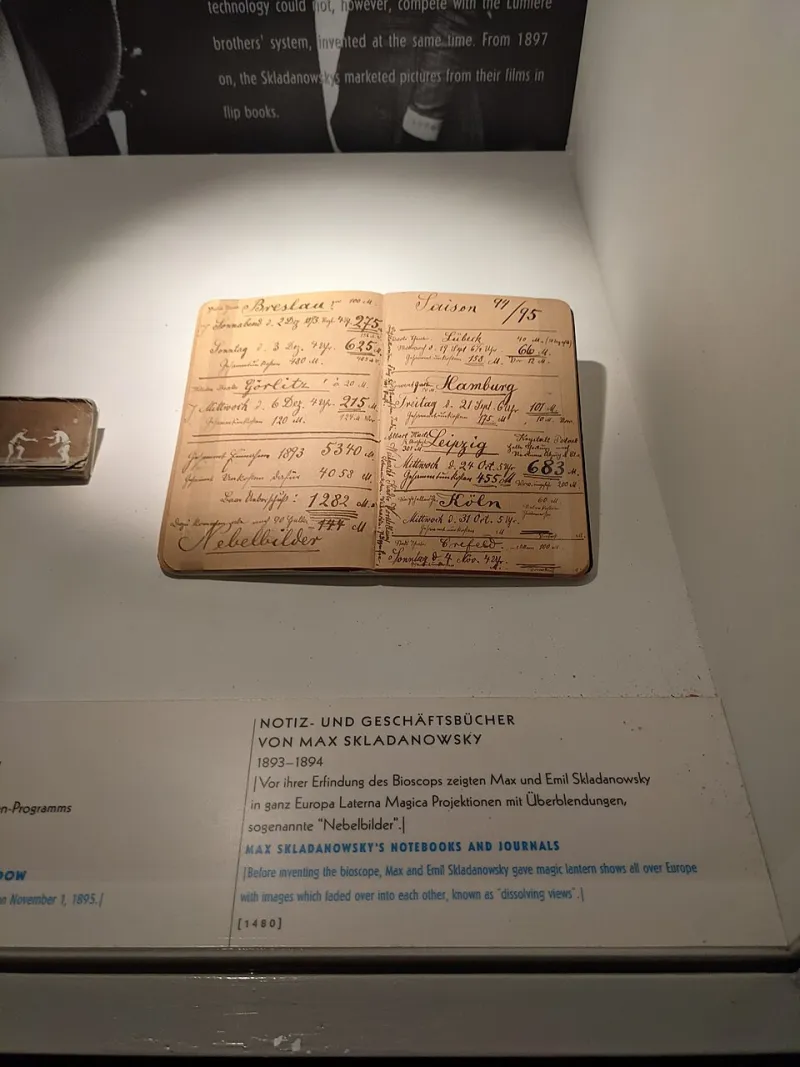
- Write three lines, not a journal. Date it. Write what you did, what you noticed, and one thing you want to remember. Three lines is enough. A diary is not a court transcript.
- Take ten ordinary photos. Not for posting. Photograph your coffee cup, the bus stop, the sweater you always wear. The goal is to notice, not to produce content.
- Claim a paper calendar. On Sunday evening, write down three fixed things for the week and one thing you are looking forward to. Paper makes the week feel finite and manageable.
- Do a stationery reset. Sharpen a pencil. Throw away three dried pens. Put a sticky note where you will see it. This is less about productivity than about giving your desk a small act of attention.
- Make a tiny seasonal shelf. One leaf, one postcard, one mug, one candle. You are not decorating a magazine spread. You are marking the season in a way that takes four minutes and costs zero dollars.
- Cook one pantry meal with a Japanese-ish shortcut. Rice, an egg, frozen vegetables, and furikake if you have it. Or noodles with sesame oil and scallions. The ritual is not authenticity. The ritual is making something warm instead of ordering it.
- Go to a bookstore or library with no list. Spend twenty minutes. Leave with one thing or nothing. If you are near a used bookstore, even better. The smell of paper is free.
- Turn the lights low earlier than usual. Read a paper book, fold laundry, or sit with a cup of tea. The goal is not to be productive in dim lighting. The goal is to let the evening arrive before you do.
Make It Yours Without Buying Anything
The fastest way to ruin a small ritual is to shop for it. You do not need a special tray for your tea, a new camera for your walk, or a forty-dollar notebook. Use the mug with the chip. Use the back of an envelope. Use the camera in your phone if that is what you have, as long as you are not using it to scroll.
If you want a gentle structure, pick one ritual for the morning, one for the middle of the day, and one for the evening. Do that for a week. Then keep the ones that felt like relief and drop the ones that felt like homework. A ritual should make your ordinary week more legible, not more crowded.
The Real Goal Is an Ordinary Week That Feels Lived In
A miyasako biyori is not a perfect day. It is a day you can actually see. The tea is a little too strong. The walk is shorter than you planned. The stationery reset lasts four minutes before the mail pile returns. That still counts.
The older I get, the more I suspect that a good life is made of these small, repeatable moments: a kettle, a window, a walk, a notebook, a Sunday reset. None of them are impressive. Together, they make a week feel less like something that happens to you and more like something you live in.