The Case for Posts Nobody Optimizes: A Quiet Defense of the Personal Blog
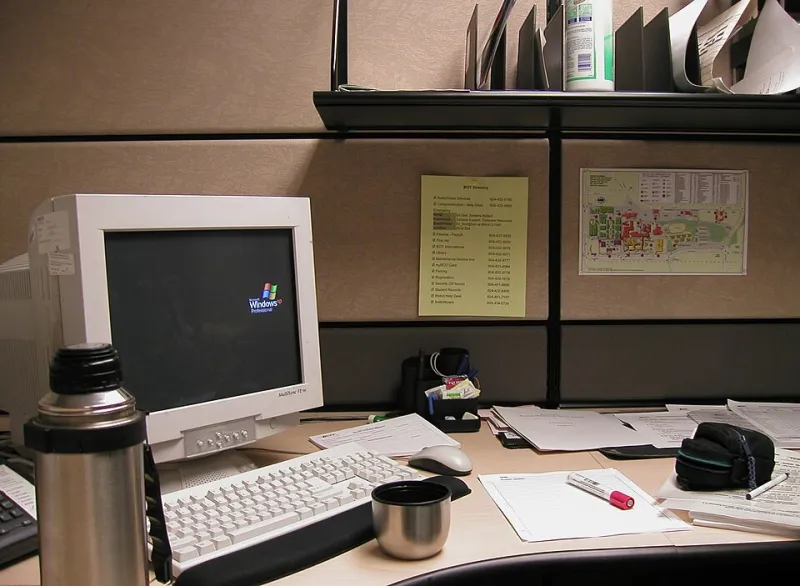
Photo: Dennis Sylvester Hurd from Minuwangoda, WP, Sri Lanka, Canada, CC0, via Wikimedia Commons
Personal blogs are allowed to be boring. I realize that is not a popular opening line in 2026, when every platform seems to be asking for a hook, a lesson, a before-and-after photo, and a reason to save the post for later. But I keep thinking about the small, unoptimized updates that made me love blogs in the first place.
Miyasako Biyori, the site you are reading now, is a personal blog with a simple idea: a casual diary for friends, hobbies, and creative musings. We are not trying to turn every week into a content franchise. We are trying to keep a record. That sounds modest because it is modest. Modest is the point.
The Pressure to Make Every Post Useful
I understand the pressure. Search engines like clear answers. Social feeds like strong opinions. Newsletters want a reason to be opened. There is nothing wrong with any of that, and I am not arguing that every blog should ignore its readers. But there is a difference between writing for people and writing for a dashboard.
A post about the mug I use every morning does not need a keyword strategy. A note about a book I abandoned on page 60 does not need a takeaway. A photo of a messy desk does not need to be optimized for saves. These posts are not products. They are evidence of a life being noticed.
A Blog Can Be a Living Room
The internet often treats a website like a storefront: window display, call to action, brand voice. A personal blog can be a living room instead. The chairs do not match. There is a stack of magazines on the floor. Someone left a cup on the side table. You are welcome to sit down, but nobody is going to ask you to buy anything.
That is the spirit I want for Miyasako Biyori. Some posts are useful. Some are just a report from a Tuesday. Some are about a hobby I picked up for three weeks and then quietly abandoned. The mix is the point. A blog that only publishes polished life lessons is not a diary. It is a brochure.
The Small Stuff Becomes the Archive
When I look back at the blogs I have loved, I do not remember the posts that were engineered to go viral. I remember the small ones: a photo of someone's kitchen, a list of what they ate that week, a paragraph about a train station, a note about a grandmother's handwriting. These posts were not important in the way the internet usually means. They were important because they were specific.
The small stuff is the archive. A post about losing a glove is a post about a season. A post about a chipped bowl is a post about a home. A post about a boring Sunday is a post about a life. If we only write the highlights, we lose the texture. If we only write the lessons, we lose the confusion. Confusion is often more honest.
Imperfect Photos Are Still Evidence
I love a well-lit photograph. I also love a blurry photo of a half-eaten sandwich because it proves someone was there. Social media has trained us to treat every image as a portfolio piece, but a diary does not need a portfolio. It needs evidence.
The photo can be crooked. The lighting can be bad. The caption can be three words. The post can end without a conclusion. None of that makes it worthless. In fact, the imperfection can make it easier for a reader to trust. We recognize our own lives in the unpolished parts.
What We Lose When We Optimize Everything
When every post has to perform, the spontaneous ones stop getting written. The weird hobby update becomes a content pillar. The casual musing becomes a newsletter. The small observation waits until it can be stretched into a lesson. Eventually, the blog starts to sound like a brand, and the person behind it goes quiet.
I am not against growth. I am not against readers finding the site. But I want to keep a corner of the internet where a post can be small, unoptimized, and still worth publishing. A post does not have to be useful to be valuable. It can be a note from a day. It can be a photo of the sky. It can be a sentence that says, 'I was here, and this is what I noticed.'
A Quiet Invitation
If you have a blog collecting dust, write the small thing. Do not research keywords. Do not build a content calendar. Do not wait until you have a proper lesson. Write 150 words about what you did today, or post the photo with the bad lighting. Send a link to a friend. Let it be boring.
Miyasako Biyori will keep posting tiny, unoptimized updates. Some weeks will be quiet. Some photos will be imperfect. Some posts will not teach anyone anything. That is not a failure of strategy. It is the whole idea.